Designing Custom Showers That Elevate Denver, CO Homes
Custom shower design in Denver, CO combines personalized layouts, quality glass selections, and expert craftsmanship to create functional bathrooms homeowners use daily.
What Makes Custom Shower Design Different from Standard Installation?
Custom design addresses your bathroom's specific dimensions and your household's actual needs.
Your designer measures your available space, notes where windows and plumbing exist, and identifies any unusual angles or ceiling heights. This information creates a shower plan that works with your bathroom's existing features rather than forcing a standard size into an incompatible space. You avoid wasted corner areas, awkward door placement, or inadequate clearance that makes daily use uncomfortable.
The design process includes selecting glass thickness, hardware finishes, and door styles that match your bathroom's overall appearance. You choose from frameless, semi-frameless, or framed construction based on your preferences and practical requirements. Your designer explains how each option affects maintenance, durability, and visual impact before you commit to specific materials.
Which Layout Options Work in Different Bathroom Sizes?
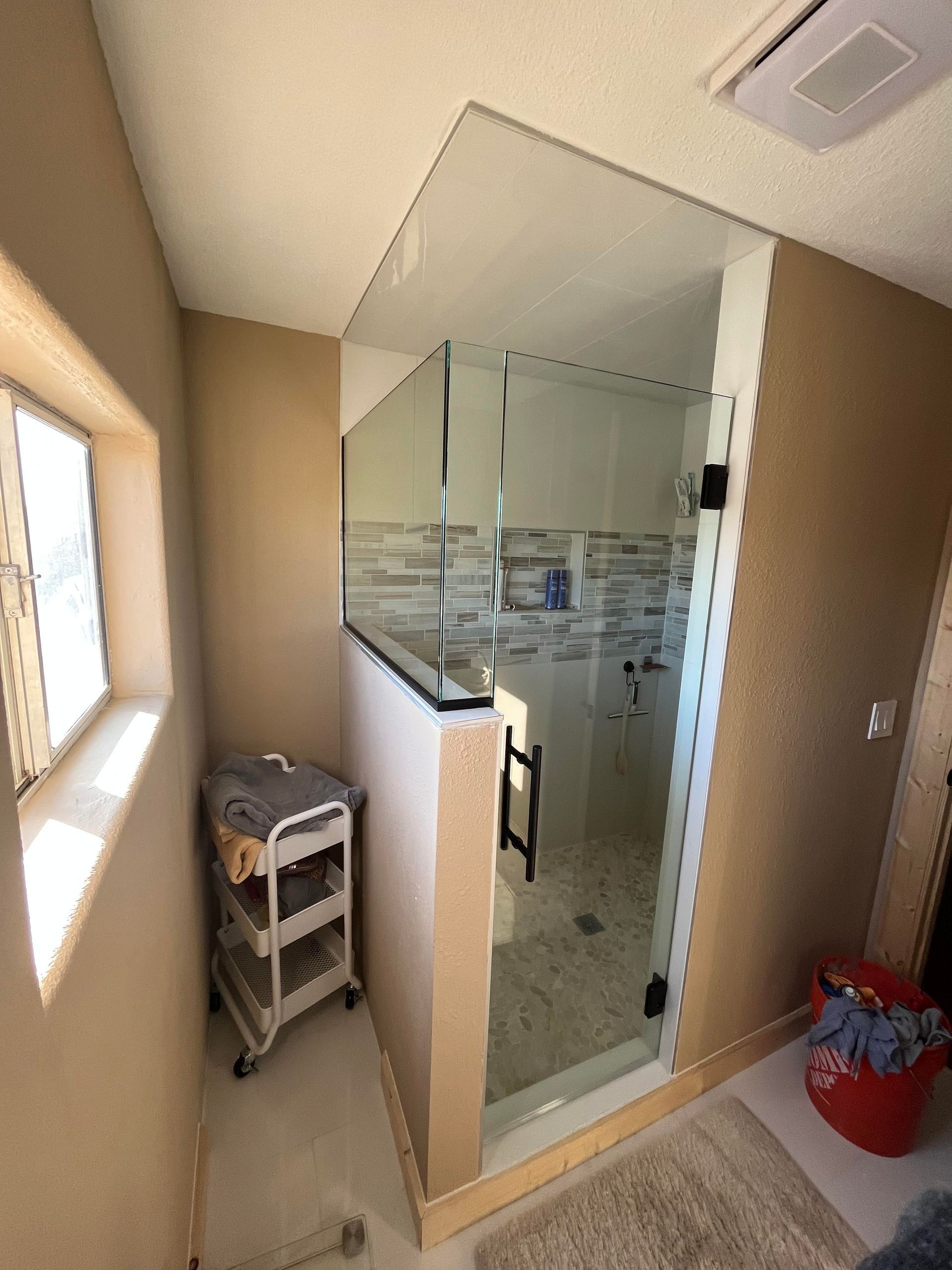
Corner installations maximize space efficiency in smaller Denver bathrooms.
Your shower occupies an unused corner, leaving floor area available for vanities, storage, or movement. The angled entry creates a compact footprint while providing adequate interior shower space. This configuration works well in older homes where bathroom square footage is limited. You gain a functional shower without sacrificing access to other bathroom features.
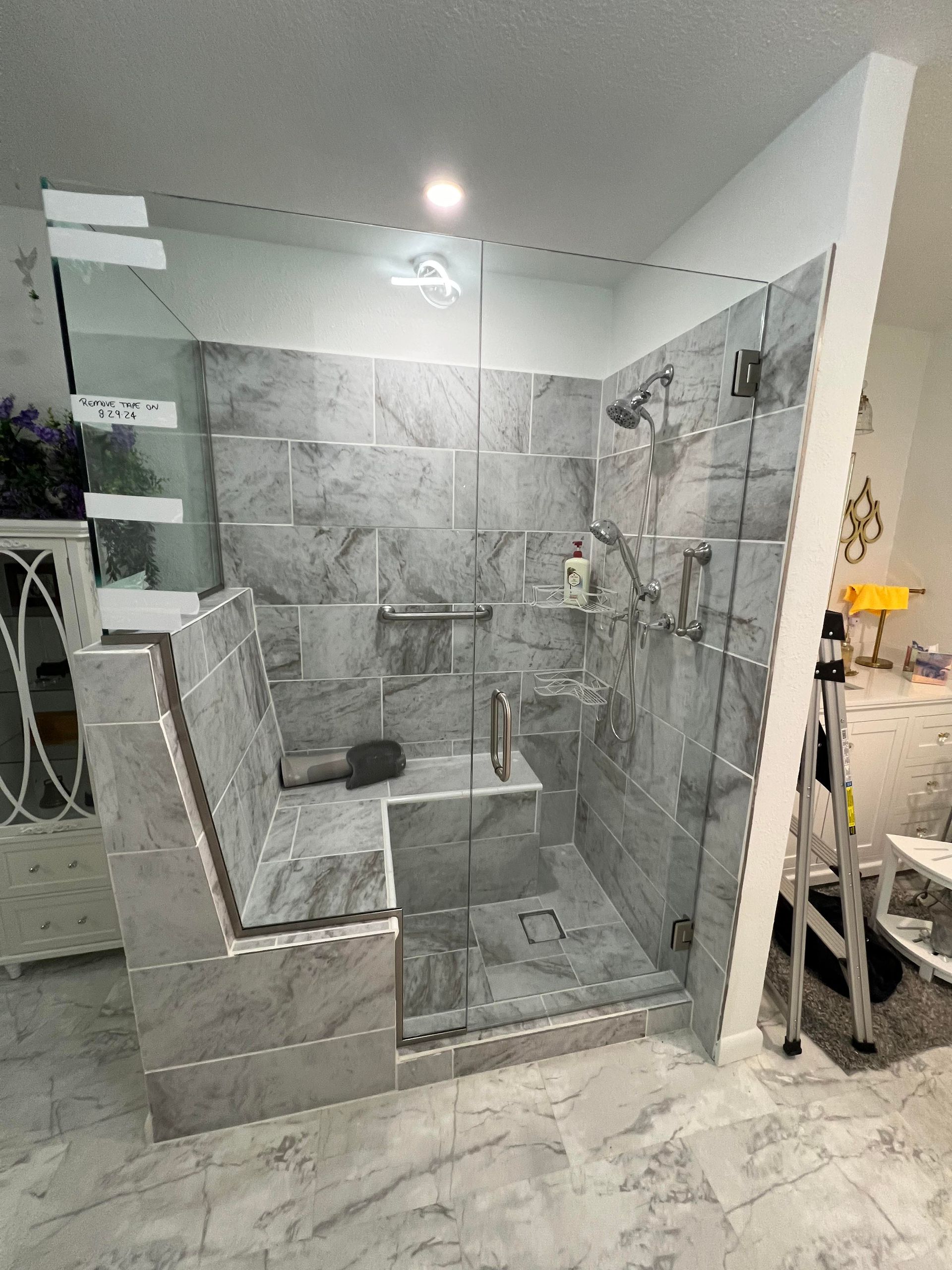
Walk-in showers suit larger master bathrooms where space permits open designs. Your installation eliminates doors entirely or uses minimal glass panels to define the wet area. These layouts create a spa-like feeling while allowing easy access for all household members. Consider custom shower design services in Denver that accommodate mobility requirements or future aging-in-place needs.
Alcove showers fit between three walls, common in hallway bathrooms or secondary bedrooms. Your glass door covers the open side, creating an enclosed shower space. This traditional layout works efficiently in homes built with standard bathroom dimensions.
How Do You Select Glass Treatments for Privacy?
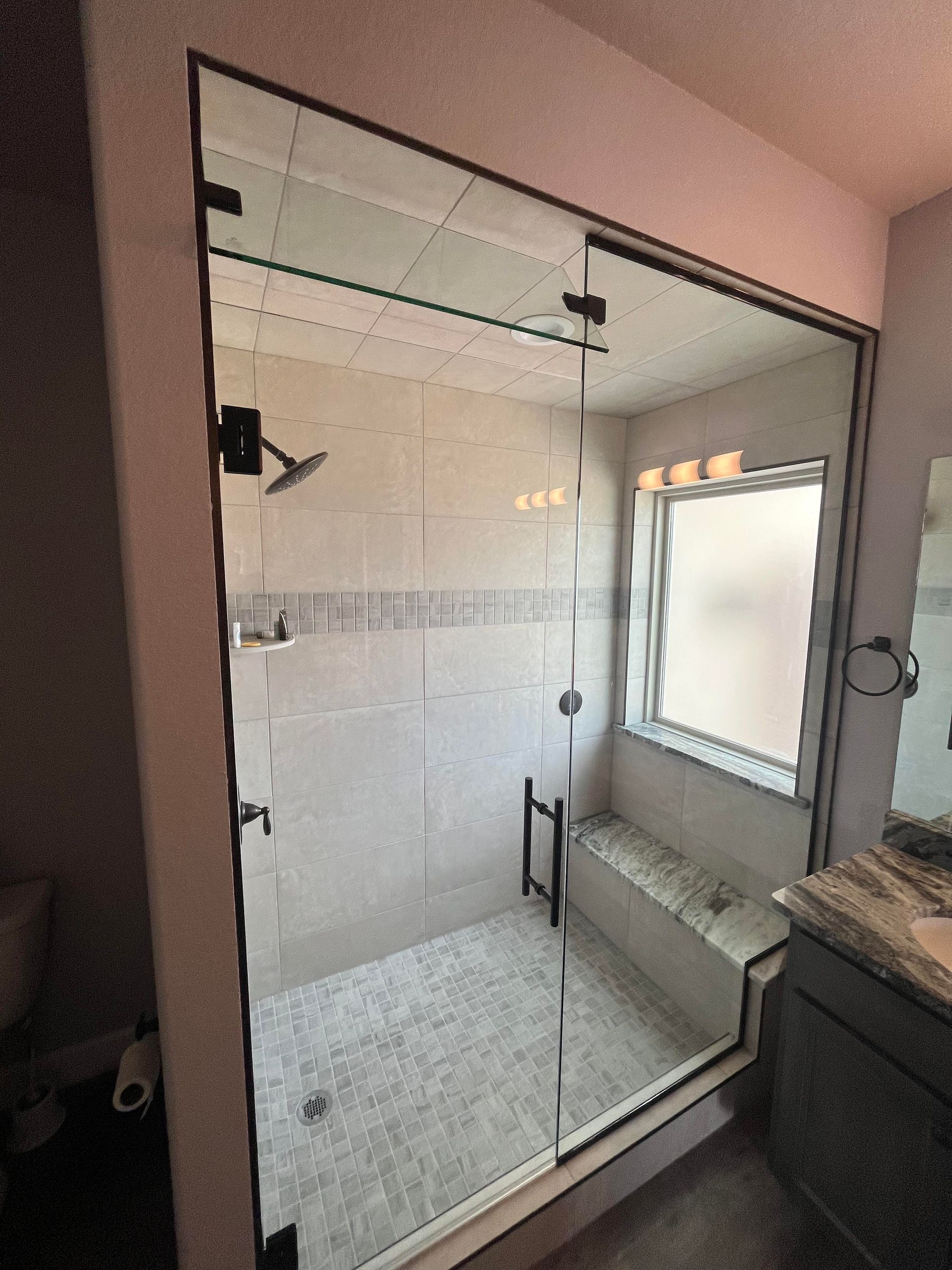
Clear glass showcases tile work while providing minimal privacy screening.
You see completely through clear panels, making your bathroom feel more open and highlighting decorative tile patterns or fixtures. This option suits master bathrooms where privacy is less concerning. Clear glass shows water spots and soap residue more visibly, requiring consistent cleaning attention to maintain its appearance.
Frosted glass creates privacy while allowing natural light to pass through your shower area. Popular patterns include rain texture, which mimics water droplets on glass, and obscure designs that blur visibility without completely blocking light. You maintain bathroom brightness while preventing clear views into your shower. These textured surfaces camouflage water spots between deep cleanings.
Tinted glass adds subtle color while providing moderate privacy. Bronze, gray, or subtle blue tints complement different bathroom color schemes. Your glass filters light rather than blocking it completely, creating a softer ambiance while maintaining some transparency.
Do Frameless Showers Require More Maintenance Than Framed Options?
Frameless showers actually simplify cleaning by eliminating metal channels that trap buildup.
Your glass panels connect directly through minimal hardware, removing the tracks and frames where soap scum, mildew, and mineral deposits accumulate. You wipe down flat glass surfaces without scrubbing around metal edges or cleaning inside frame channels. This streamlined construction reduces the time needed for regular maintenance.
The hardware in frameless installations requires occasional tightening as normal use loosens mounting screws. You check hinges and clamps monthly, snugging any hardware that has shifted. This simple maintenance prevents more significant issues and keeps your door operating smoothly. Professional installation ensures proper initial mounting that minimizes future adjustments.
Framed showers include metal around all glass edges, providing additional structural support at lower material cost. Your frame requires regular cleaning to prevent buildup in channels and along seams where metal meets glass. These installations work well when budget considerations outweigh the convenience of frameless maintenance. Explore shower enclosure options in Denver that balance design preferences with practical maintenance requirements.
Can You Combine Shower and Bathtub in Custom Designs?
Combination designs accommodate households that want both bathing options in limited space.
Your designer creates a glass enclosure that covers your bathtub, allowing for both soaking baths and standing showers. The glass installation includes a door positioned for safe entry and exit from the tub, with hardware placed to avoid interference when using either function. This configuration works particularly well in homes with one bathroom serving multiple people.
Height considerations matter more in tub-shower combinations than standalone showers. Your glass panels extend high enough to contain shower spray while you stand in the tub, typically six feet or taller. The door includes proper sealing along the tub edge to prevent water from escaping onto your bathroom floor during showers.
What Hardware Finishes Complement Different Bathroom Styles?
Chrome remains the most popular finish for modern and transitional bathroom designs.
This bright metallic finish matches most bathroom fixtures and reflects light effectively. You find chrome hardware readily available and typically priced lower than specialty finishes. The smooth surface resists fingerprints reasonably well and cleans easily with standard bathroom cleaners. Chrome works across many design styles without appearing dated.
Brushed nickel offers a warmer, less reflective alternative to chrome. Your hardware blends with bathroom elements rather than standing out as bright accents. This finish hides water spots and fingerprints better than polished chrome, reducing visible maintenance needs. Brushed nickel complements traditional and farmhouse-style bathrooms effectively.
Matte black hardware creates strong visual contrast against glass and light-colored tile. This contemporary finish makes a bold design statement while requiring careful cleaning to prevent visible soap residue. You coordinate black hardware with other bathroom fixtures and accessories for a cohesive modern appearance.
How Does Denver's High Altitude Affect Shower Installation?
Denver's elevation creates drier air conditions that affect bathroom moisture levels.
Your shower dries faster after use compared to sea-level locations, reducing mold and mildew growth opportunities. The rapid evaporation helps maintain cleaner glass surfaces between cleanings. You still need adequate ventilation to remove steam during showering, but the ambient dryness works in your favor for long-term bathroom moisture control.
Temperature variations between heated indoor air and cold outdoor conditions create condensation potential on exterior bathroom walls. Your installer ensures proper sealing where shower glass meets walls, preventing moisture infiltration that could damage drywall or framing. Professional installation accounts for these climate factors to protect your home's structure.
Custom shower design creates bathrooms that function smoothly for your household's daily routines. Thoughtful planning results in installations you'll appreciate every time you use your shower.
Plan your bathroom upgrade today by contacting (720) 476-0781 to discuss design options that work with your home's specific layout and your family's preferences.